
2026 Cannes Luxury Car Rental Guide: Premium Vehicles, Scenic French Riviera Drives, and Booking Tips for Canadian Travellers
Article Theme:
2026 Cannes Luxury Car Rental Guide: Premium Vehicles, Scenic French Riviera Drives, and Booking Tips for Canadian Travellers
Link to Preserve:
luxury car rental options in Cannes
CRITICAL: The content contains placeholders like luxury car rental options in Cannes, ___LINK_1___, etc. These placeholders MUST be preserved EXACTLY as they are - do NOT modify or remove them! They will be replaced with actual HTML link tags after humanization.
2026 Cannes Luxury Car Rental Guide: Premium Vehicles, Scenic French Riviera Drives, and Booking Tips for Canadian Travellers
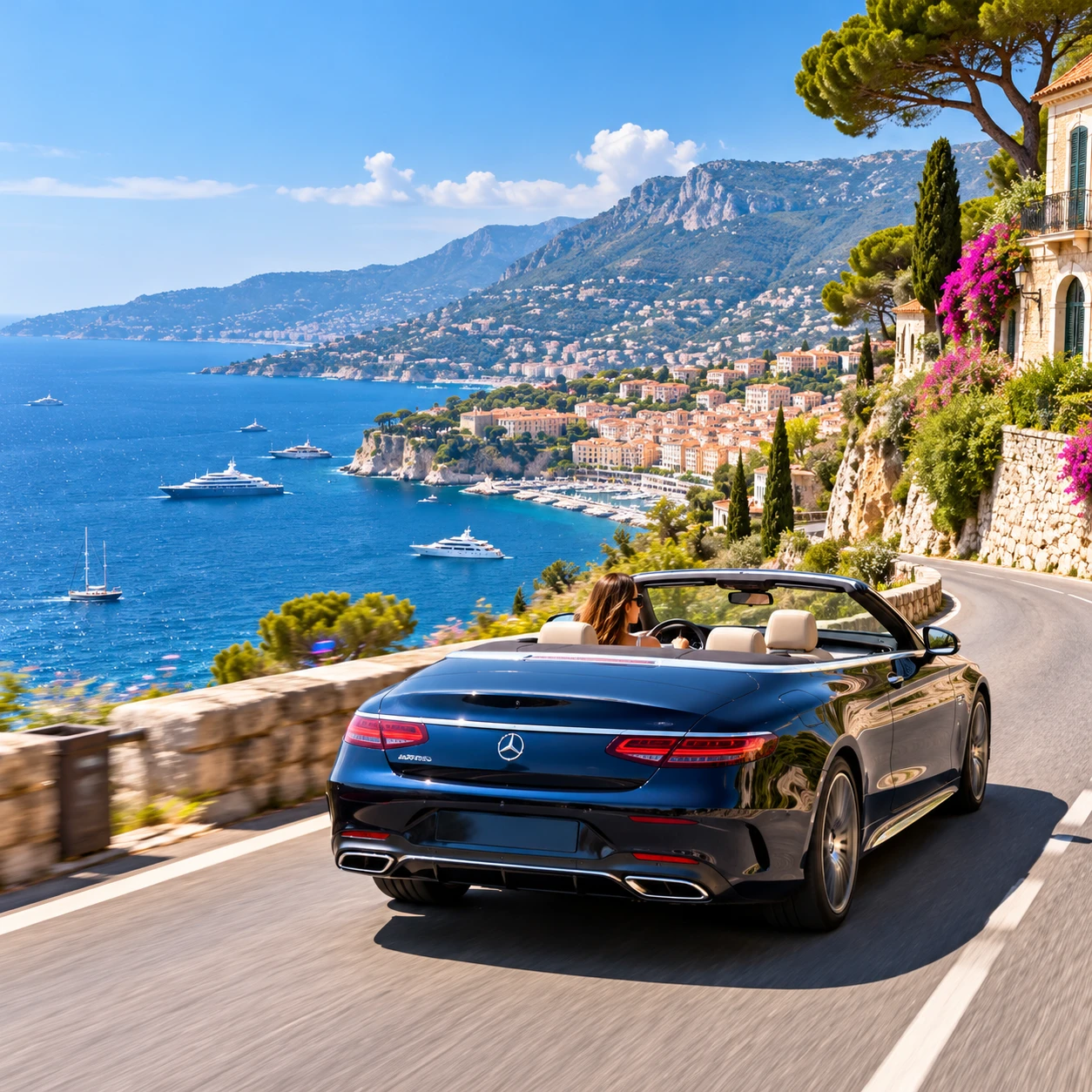
I've spent years exploring the French Riviera, and I can tell you that a premium vehicle can turn a Cannes trip from pleasant into genuinely memorable. If you're planning a 2026 escape from Canada, the right luxury rental gives you access to places public transportation can't easily reach. Whether you're arriving from Montreal, Toronto, Vancouver, or Calgary, choosing, booking, and driving the right vehicle will make the trip easier, more comfortable, and far more scenic.
Why Luxury Car Hire Is Worth It for a 2026 French Riviera Escape
The French Riviera rewards spontaneity and independence. Cannes itself is walkable and connected well by train, but the real pleasure is being able to wander toward hidden beaches, hillside villages, and panoramic viewpoints without fitting every move around a timetable. A luxury vehicle offers comfort on long driving days, secure luggage storage, and the polished look that fits the Riviera's atmosphere perfectly. For Canadian visitors used to covering long distances, having your own premium car also removes the inconvenience of arranging taxi pickups, checking bus schedules, and hauling suitcases through crowded railway stations.
Then there's the simple pleasure of the journey itself. Picture following the Corniche roads with the Mediterranean glittering beside you, stopping at Cap d'Antibes for an impromptu photo, or reaching a Michelin-starred restaurant in Monaco without worrying about the last train. The gap between an economy car and a luxury model becomes obvious on steep coastal roads, when a week's luggage needs to fit, or when strong air conditioning matters during a July heatwave.
What Makes a Premium Cannes Rental Especially Useful in 2026
In 2026, the practical side of a premium rental matters more than ever. Most luxury vehicles come with an automatic transmission, which is a relief for North American drivers who aren't used to manual gearboxes on winding European roads. Generous luggage space means you don't have to pack light and leave half your holiday essentials behind. Built-in GPS or smartphone integration keeps you on course without unfolding paper maps, and powerful air conditioning isn't a luxury in peak summer when temperatures regularly pass 30°C.
Comfortable seating matters too. After a transatlantic flight from Canada, the last thing you want is a cramped ride from Nice Côte d'Azur Airport to your Cannes hotel. Premium vehicles usually offer adjustable lumbar support, generous legroom, and quieter cabins, giving you a decent chance to shake off some jet lag. Families travelling with children will find it easier to install car seats, use rear climate controls, and keep snacks or entertainment within reach on longer drives.
Peak-season traffic and parking restrictions give you another good reason to choose quality over the cheapest option. Cannes gets seriously congested in July and August, and narrow streets demand confidence and precision. Parking sensors, rear-view cameras, and responsive handling make tight manoeuvres less stressful. Valet parking is standard at upscale hotels and restaurants, and arriving in a premium vehicle also ensures you receive the level of attention your vacation deserves.
The Best Luxury Car Rental Options in Cannes
Your ideal vehicle depends on the itinerary, number of passengers, luggage, and personal taste. Cannes rental agencies offer four main categories in 2026: luxury sedans, premium SUVs, convertibles, and high-performance models. Each has its purpose. Understanding the trade-offs can stop you from booking something that looks fantastic online but turns out to be awkward on Riviera roads.
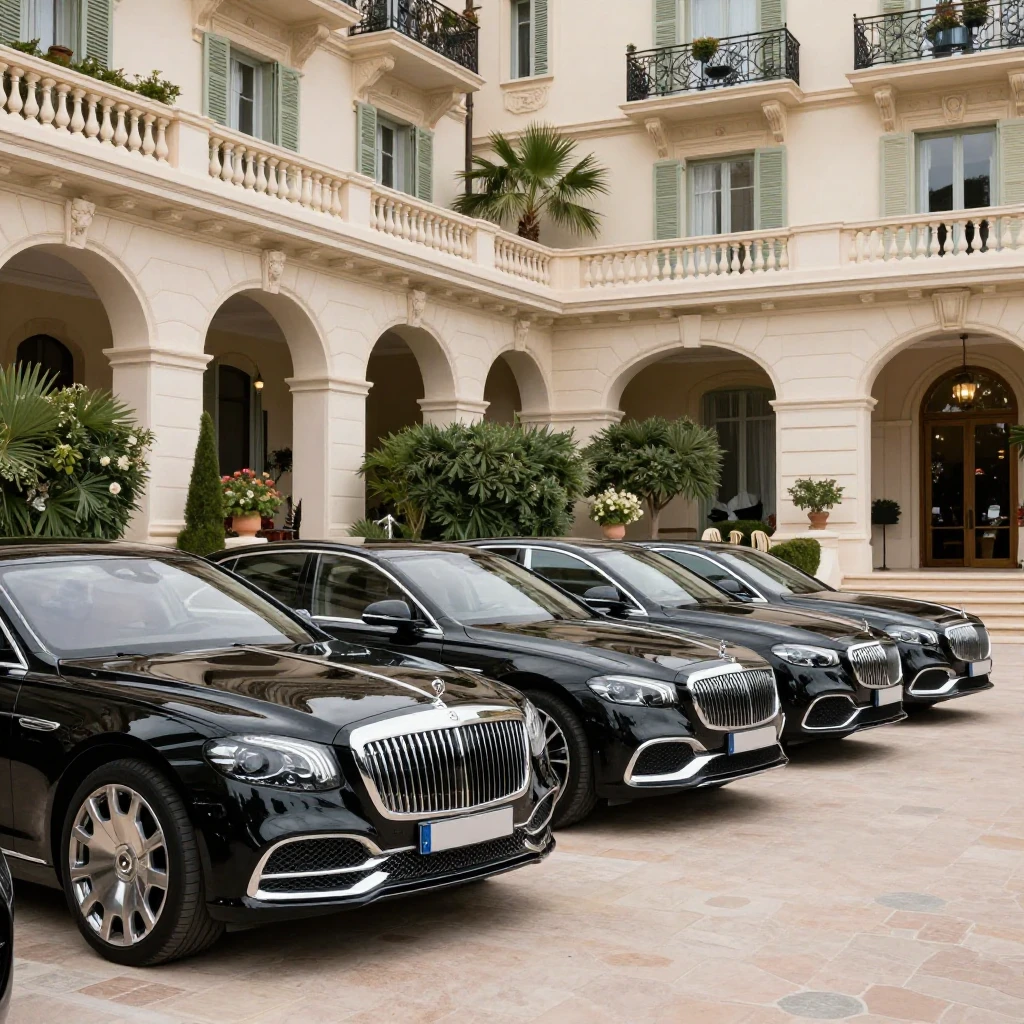
Luxury sedans—think BMW 5 Series, Mercedes-Benz E-Class, or Audi A6—are the workhorses of premium Riviera travel. They pair polished styling with good fuel efficiency, roomy trunks, and smooth motorway performance. Sedans handle motorways and coastal routes beautifully, fit into standard parking spaces more easily, and give adults enough rear-seat comfort for longer journeys. Daily rates typically run from €120 to €250 depending on the season and model, making them the most cost-effective luxury choice for couples or small families.
Premium SUVs such as the Range Rover Sport, Porsche Cayenne, or BMW X5 provide a raised seating position, lots of luggage capacity, and a commanding presence. If you're travelling with more than two passengers, planning several overnight stops, or simply prefer the security and visibility of a larger vehicle, the extra cost can make sense. Expect to pay €200 to €400 per day, with higher prices in July, August, and during the Cannes Film Festival in May. SUVs are particularly good for carrying ski equipment when combining coastal and Alpine plans, and they handle gravel roads to rural destinations with confidence.
Convertibles hold a special place in Riviera fantasies, but they come with very real limitations. A Mercedes-Benz SL, BMW Z4, or Porsche 911 Cabriolet creates an unforgettable open-air experience on a sunny morning along the Corniche. The trade-offs are steep, though: luggage space is severely limited, rear seats are often unusable, and summer traffic can leave you stationary for long stretches. A convertible shines on a short scenic drive—Cannes to Saint-Paul-de-Vence, perhaps—but can frustrate you during airport pickups, grocery runs, or a multi-day trip with substantial luggage. Rates begin around €250 per day and climb quickly for high-performance models.
Sedans, SUVs, and Convertibles Compared
Executive sedans offer the best balance for most Canadian travellers. They're discreet, efficient, and versatile enough for airport transfers or full-day excursions. A family of four can travel comfortably with a week's luggage, while parking in Old Town Cannes or Nice's narrow streets remains manageable. Sedans also avoid the 'tourist' appearance that convertibles can project, which may be useful when visiting local markets or residential neighbourhoods.
Premium SUVs make more sense for groups of five or more, families who need car seats and strollers, or travellers heading into Provence's countryside, where roads get rougher and parking areas become less predictable. The higher driving position gives excellent visibility on unfamiliar roads, while the extra cargo room means you won't need to choose between souvenirs and suitcases on the return to the airport. The drawbacks are higher fuel consumption and slightly less nimble handling in tight city streets.
Convertibles are best reserved for couples taking a short scenic drive on a confirmed sunny day. If you want wind-in-your-hair glamour, rent one for two or three days within a longer trip, then switch to a sedan or SUV for the practical parts. Remember, convertibles attract attention—sometimes welcome, sometimes not—and visible luggage in an open car is an invitation to theft. Use hotel valet parking, never leave valuables inside, and check the forecast carefully before committing to a soft-top rental.
How to Evaluate a Reputable Rental Company
Not all Cannes agencies are created equal. A smooth rental and a frustrating one can come down to the company's reputation, so before booking I always check verified customer reviews to see how agencies handle vehicle condition, pickup delays, deposit returns, and damage disputes. Transparent fees are essential. Hidden charges for mileage, additional drivers, GPS units, child seats, or airport delivery can double the advertised rate.
Vehicle condition matters enormously with a luxury rental. The car should arrive clean, mechanically sound, and free of cosmetic damage beyond minor wear. Reputable companies perform a thorough pre-rental inspection with you present, photograph existing scratches or dents, and provide a clear damage policy. Insurance terms vary widely: some agencies include broad coverage in the base rate, while others require a separate collision damage waiver costing €30 to €60 per day. Know exactly what's covered before you sign.
Clear pickup policies prevent avoidable confusion on arrival day. Confirm whether delivery includes Nice Airport, Cannes Airport (a smaller facility), Cannes railway station, or a city-centre office. Ask about operating hours, after-hours pickup fees, and what happens if your flight is delayed. For a detailed comparison of luxury car rental options in Cannes, I recommend reviewing recent traveller feedback on platforms like TripAdvisor, where real customers describe particular agencies, vehicle quality, and service standards.
Planning the Perfect Scenic Drive from Cannes
The French Riviera's best-known roads are all within an hour of Cannes, so day trips and half-day outings are very doable. A flexible itinerary is key. Trying to cover Antibes, Nice, Monaco, and Saint-Tropez in one day will leave you exhausted and frustrated. Instead, I recommend choosing one or two destinations a day and leaving room for long meals, unplanned stops, and the traffic delays that are inevitable in summer.
The classic coastal route follows the D6098 and D6007 highways east from Cannes, hugging the Mediterranean through Juan-les-Pins, Antibes, Nice, Villefranche-sur-Mer, and finally Monaco. Sea views come almost continuously, with beaches, marinas, and plenty of places to pull over for photos or coffee. The drive times can mislead you: Cannes to Antibes takes 20 minutes in light traffic but can stretch to an hour at peak season. Nice to Monaco adds another 30 to 60 minutes, depending on congestion and whether you take the coastal Low Corniche or the elevated Middle Corniche.
Heading west from Cannes, the D559 leads through Saint-Raphaël and Sainte-Maxime to Saint-Tropez. In ideal conditions, the journey takes roughly 90 minutes, but July and August traffic can stretch it to two hours or more. This route doesn't have the dramatic coastal cliffs found farther east, though rolling vineyards, pine forests, and charming villages make up for it. Saint-Tropez is notoriously difficult to reach: parking is scarce and expensive, while summer jams can trap you for hours. Go early in the morning or late in the afternoon if you can.
Cannes to Antibes, Nice, and Monaco
Starting in Cannes, drive east along Boulevard de la Croisette, the famous waterfront promenade lined with luxury hotels and designer boutiques. The route transitions smoothly onto the D6007, and within ten minutes you'll reach Juan-les-Pins, a lively resort town with sandy beaches and a more relaxed feel than Cannes. Antibes comes next, and I always recommend stopping at Cap d'Antibes to walk the coastal path around the peninsula. Parking is available near Plage de la Garoupe.
On the way to Nice, you'll pass Cagnes-sur-Mer before entering France's fifth-largest city. Nice deserves at least half a day. Explore the Old Town's narrow streets, walk the Promenade des Anglais, and consider lunch at one of the restaurants serving socca or salade niçoise. Central Nice parking is difficult, so I use underground car parks near Place Masséna or the Port, where rates run €3 to €5 per hour.
The drive from Nice to Monaco becomes more dramatic. The Low Corniche (Basse Corniche) stays closest to the sea and passes through Villefranche-sur-Mer and Cap Ferrat, while the Middle Corniche (Moyenne Corniche) climbs higher for panoramic views. Both routes meet at Monaco, where parking is expensive—expect €4 to €6 per hour—but there are plenty of spaces in multi-storey facilities near the casino and Port Hercule. Canadian drivers should know that Monaco enforces traffic laws strictly, with speed cameras and heavy fines for illegal parking.
Tolls are minimal on this eastern route; traffic is the real cost. Summer weekends and holidays create bumper-to-bumper congestion, especially between Nice and Monaco. There are no border checks: Monaco is a sovereign principality, but it belongs to the Schengen Area, so visitors arriving from France pass through no checkpoints or passport controls.
Day-Trip Alternatives Beyond the Côte d'Azur
If the coastal crowds become too much, drive inland to Grasse, the world's perfume capital, 30 minutes north of Cannes. The route climbs through olive groves and hilltop villages, bringing cooler temperatures and a slower pace. Grasse has perfume museums, historic distilleries, and excellent Provençal restaurants, making it an ideal half-day outing. Pair it with nearby Saint-Paul-de-Vence, one of France's most beautiful medieval villages.
For a full-day adventure, head north toward the southern Alps and the Route Napoléon (N85), which winds through dramatic mountain scenery toward Digne-les-Bains and Grenoble. This trip takes you well away from Riviera beach culture and into limestone gorges, Alpine lakes, and traditional mountain villages. Allow five to six hours of driving if you want to explore properly. Mountain roads can be narrow and winding, and luxury sedans generally handle them better than larger SUVs.
The Saint-Tropez drive is better treated as a multi-day rental commitment than a quick day trip, despite its reputation. Budget two hours each way, plus several hours in town, and expect parking headaches. Another option is a shoulder-season visit—early May, late September, or October—when traffic is lighter and accommodation costs drop noticeably. Saint-Tropez's harbour, Citadel, and beaches are undeniably beautiful, but the journey can test your patience at the height of summer.
What Canadian Travellers Need to Know Before Driving in France
Canadian driving licences are valid in France for short-term visits, but I strongly recommend carrying an International Driving Permit (IDP) too. It isn't legally required for Canadians, yet it provides a standardized translation of your licence and can make interactions with police or rental agencies easier. You can get an IDP from CAA or a comparable automobile association before leaving Canada; the process takes minutes and costs around $25.
French traffic rules differ from Canadian norms in several important ways. The most important is priority to the right (priorité à droite): at an unmarked intersection, a vehicle approaching from your right has the right-of-way. Roundabouts are everywhere, and traffic already circulating has priority. Yield, then proceed decisively. Speed limits are strictly enforced: 50 km/h in urban areas, 80 to 90 km/h on rural roads, 110 km/h on divided highways, and 130 km/h on autoroutes (motorways). Speed cameras are common, and rental companies receive the fines, then charge your credit card plus an administrative fee.
French signage uses international symbols alongside a few distinctly French conventions. Blue signs indicate mandatory directions, red signs prohibit actions, and yellow signs warn of hazards. Priority roads carry a yellow diamond; when that diamond is crossed out, you must yield at the next intersection. France's alcohol limit is lower than in most Canadian provinces: 0.05% blood alcohol content, roughly one standard drink for most adults. Police conduct random breathalyzer checks, and impaired-driving penalties are severe.
Documentation, Insurance, and Payment Requirements
At pickup, you'll need your Canadian driver's licence, passport, the credit card used for the booking in the driver's name, and ideally your International Driving Permit. Rental companies usually place a hold on your credit card—typically €1,000 to €3,000 for luxury vehicles—to cover possible damage or traffic fines. The hold can take 7 to 21 days to release after you return the car, so plan for it and make sure your available credit can cover both the hold and your vacation spending.
Insurance coverage is complicated and worth reading closely. Basic third-party liability insurance is mandatory and included in every rental, but it doesn't cover damage to the rental car itself. Collision Damage Waiver (CDW) reduces your financial liability, typically to a €1,000 to €2,000 deductible. Full coverage, often called Super CDW or Zero Excess, removes the deductible entirely and costs €20 to €60 per day depending on the vehicle category. Check whether your Canadian credit card provides rental car insurance—some premium cards offer strong coverage—but confirm that it applies to luxury vehicles and French rentals specifically.
Additional driver fees are €10 to €20 per day per person. If anyone under 25 will drive, expect a young-driver surcharge of €30 per day or more. Most luxury rentals use a full-to-full fuel policy: you receive a full tank and must return it full. Weekly rentals usually include unlimited mileage, while shorter rentals may be capped at 250 to 300 kilometres per day, so confirm this before booking. One-way returns—picking up in Cannes and dropping off in Nice or Monaco—cost €50 to €150. Airport delivery adds €30 to €60.
Driving Conditions and French Road Etiquette
Cannes has narrow streets in the old Le Suquet neighbourhood, and parking is always scarce. The main roads are modern and well maintained, but local drivers change lanes frequently, tailgate at high speeds, and use their horns freely. The style shocks many Canadians at first. It's normal in southern France, though. Stay calm, keep your lane, and don't take it personally.
Roundabouts require confidence and decisiveness. Signal right when exiting, yield to traffic already in the circle, and commit once you enter. Hesitation causes accidents. Multi-lane roundabouts can be intimidating: remain in the outer lane for an early exit, and move inward only if you're confident about your route. French drivers expect efficient merging and aren't fond of hesitant behaviour.
Pedestrians have absolute priority at marked crossings. Failing to stop for someone waiting to cross can result in a significant fine. Motorway driving is generally smooth and fast, with much of the traffic cruising at 130 to 140 km/h. Stay to the right except when overtaking and move over promptly when faster vehicles approach from behind. Autoroute tolls are reasonable—Cannes to Nice costs around €3, while Nice to Monaco is free—but keep coins or a credit card ready for unmanned toll booths.
Summer congestion along the coast is unavoidable. The worst bottlenecks occur from 10 AM to 7 PM between mid-July and August, especially Friday afternoons and Sunday evenings as weekend travellers move. Download offline maps through Google Maps or use a dedicated GPS unit so you aren't relying on mobile data, which can be patchy in tunnels and mountainous areas. Hands-free navigation is essential. French law prohibits holding a phone while driving, and offenders face €135 fines and licence point penalties.
How to Book a Luxury Car in Cannes for 2026
Booking a luxury rental for 2026 takes planning, particularly if you're travelling during peak periods. Start with your exact travel dates and confirm your flight's arrival time, then work backwards to find the best pickup schedule. Most agencies offer some flexibility, although airport locations close overnight and city offices may have limited weekend hours.
Compare vehicle classes carefully. Don't rely on glossy website photos. Read the fine print about luggage capacity, passenger count, transmission, and fuel economy. Check what the base price includes, because GPS, additional drivers, insurance, tolls, and mileage limits can change the final cost substantially. Cancellation terms matter too. Fully refundable bookings cost more but offer useful flexibility if your travel plans change; prepaid non-refundable rates are usually cheaper but lock you in completely.
Reserve early. Luxury inventories are limited, and popular models can sell out months ahead for July, August, and the Cannes Film Festival in May. Booking early also gives you leverage if prices fall, since many agencies will adjust a reservation to match lower rates, although policies vary. Confirm whether you're collecting the car at Nice Côte d'Azur Airport, Cannes-Mandelieu Airport, Cannes railway station, or a city office, and include travel time from your accommodation in your schedule.
Best Times to Reserve and Pick Up
For a summer trip in 2026, I recommend booking by February or March to secure the best rates and selection. Prices climb as availability falls, and by June you'll be paying premium rates for whatever remains. The Cannes Film Festival, typically held during the third week of May, is the most expensive period. Rates can reach three or four times their normal level, and minimum rentals run five to seven days. If your dates can move, avoid May 12-23, 2026 entirely.
Walk-up availability does exist, particularly for mid-range vehicles, but luxury cars are rarely available at short notice in peak season. The off-season from November through March, excluding Christmas, offers good walk-up opportunities and much lower rates, although the weather may limit convertible and coastal drives. September and October are my favourite months for Riviera driving: warm weather, lighter crowds, and reasonable prices without the summer chaos.
Pickup logistics matter more than many travellers realize. Nice Côte d'Azur Airport is 30 minutes from Cannes and handles most international flights from Canada. It has numerous rental counters with long operating hours. Cannes-Mandelieu Airport is smaller and closer, but it's mainly served by European regional flights. Cannes railway station is central, but parking is limited, making pickup a little awkward. A city-centre office offers convenience if you're already settled at your hotel and plan to collect the car a day or two after arrival.
Questions to Confirm Before Paying
Before entering your credit card details, verify the mileage allowance. Unlimited kilometres is standard for weekly rentals but isn't guaranteed for shorter stays. If you plan extensive driving—several day trips to Monaco, Saint-Tropez, and inland villages, for instance—you could easily exceed a 250-kilometre daily cap and trigger expensive per-kilometre charges.
Get the fuel policy in writing. Full-to-full is fair and transparent: you receive a full tank, return it full, and pay only for the fuel you used. Pre-purchase fuel plans, where you pay for a full tank upfront and return the car empty, always cost more than refuelling yourself. Stations near airports and rental offices charge premium prices, so plan to fill up a few kilometres before your drop-off point.
Understand the deposit amount and hold period. A €2,000 hold for ten days after your trip can disrupt other travel expenses if you're unprepared. Find out what could cause the company to retain part or all of the deposit—damage, late return, traffic fines, or cleanliness issues—and what evidence you'll receive showing that the hold has been released.
Read the insurance exclusions carefully. Many policies exclude damage to tyres, windscreens, undercarriage, and roof, even with full coverage. Off-road driving, driving under the influence, and allowing unauthorized drivers can void all coverage. Ask about roadside assistance. Premium rentals should include 24-hour support, but confirm whether service calls, towing, or replacement vehicles carry charges.
Inspect the damage documentation process. Reputable companies photograph or video the vehicle with you present at pickup, recording every existing scratch, dent, and imperfection. Insist on this inspection even when you're in a hurry. It's your best protection against a false damage claim at return. Take your own photos from several angles, including close-ups of existing damage, and timestamp them using your phone's camera metadata.
Finally, confirm whether you're guaranteed the specific model you booked or only 'a similar vehicle.' Luxury rentals often advertise a particular car—a BMW 5 Series, for example—but some agencies reserve the right to substitute an equivalent based on availability. If the brand or features matter to you, get written confirmation that the model is guaranteed, not merely suggested.
Common Mistakes to Avoid on a Riviera Road Trip
The mistake Canadian travellers make most often is underestimating the cost and difficulty of parking. Cannes, Nice, Monaco, and Saint-Tropez all have limited street parking, aggressive enforcement, and high hourly rates. Budget €20 to €40 per day, use hotel valet service when available, and never leave valuables visible in the car. Parking apps such as PayByPhone and ParkNow are widely accepted and save you from hunting for coins.
Choosing an impractical convertible is another common error. The romance of open-top coastal driving is real, but so are the limitations: minimal luggage space, exposure to weather, extra noise at highway speeds, and constant concern about theft while parked. If a convertible is what you really want, rent one for a dedicated two-day scenic drive rather than the entire trip.
Failing to inspect the vehicle properly at pickup creates problems at return. Rental agents sometimes rush through inspections during busy periods, and any pre-existing damage left off the record becomes your responsibility. Take ten minutes to walk around the car with the agent, recording every imperfection in writing and photographs. Check the fuel level, confirm that all keys and documents are present, and test the lights, wipers, and air conditioning before leaving the lot.
Driving too aggressively or too tentatively causes trouble. French drivers are fast and assertive, but they're also skilled and predictable. Match the motorway flow, merge decisively at roundabouts, and don't hesitate at intersections. At the same time, don't feel pressured to exceed speed limits or take risks to keep up with locals. Maintain a safe following distance and pull over if someone wants to pass.
Cramming too many stops into one day is a reliable route to frustration. A realistic day trip includes one major destination, either Monaco or Saint-Tropez, plus one or two brief stops. Not four cities and six viewpoints. French roads are beautiful but slow, and you'll probably spend more time in traffic than you expect. Build buffer time into every itinerary, and accept that a spontaneous detour—one of driving's great pleasures—means sacrificing something already on the schedule.
Parking, Fuel, and Navigation Problems
Parking in Riviera cities takes local knowledge and patience. Look for underground car parks (parkings souterrains) instead of wasting time hunting for street spaces that may not exist. Many historic centres have restricted-traffic zones (zones à circulation restreinte), marked by signs with a red circle. Entering without authorization triggers automatic €135 fines. If your hotel is in a restricted zone, ask reception for a temporary access permit before driving in.
Fuel stations in France are straightforward, though they need attention. Most are self-service (libre-service) and accept credit cards directly at the pump, but Canadian chip-and-PIN cards sometimes fail at automated stations. Carry a credit card with a four-digit PIN rather than a signature-only card, and keep €50 in cash as backup. Diesel (gazole) is cheaper than unleaded petrol (sans plomb 95 or 98). Check the fuel type on the rental before filling up so you avoid an expensive mistake.
Refuelling requirements vary by agency. Some require a full tank back; others accept a full tank minus the fuel used to reach the return location, typically one-eighth to one-quarter. Confirm the exact policy and note the fuel level at pickup. A 'full' tank at 95% capacity shouldn't require you to return it at 100%, but disputes happen. Photograph the fuel gauge at both pickup and return.
Navigation trouble starts when drivers rely entirely on mobile data in areas with poor reception. Download offline maps before leaving your hotel each morning. Google Maps, Apple Maps, and dedicated GPS apps all support the feature. Learn the French road signs before leaving Canada; the French motoring federation's website has excellent illustrated guides. Pay particular attention to priority signs, no-parking zones marked by red lines along the curb, and speed limits that change with the weather.
GPS units can occasionally send you astray, especially in old city centres where one-way streets and pedestrian zones don't match the map data. If your GPS points down a street that looks impossibly narrow or packed with pedestrians, trust your judgement and find another route. Local knowledge beats an algorithm, so ask hotel staff for specific parking and driving advice rather than blindly following the prompts.
A Stress-Free 2026 Cannes Luxury Driving Plan
A good French Riviera driving trip comes down to realistic planning, early booking, and flexibility. Reserve your luxury vehicle by early 2026 if you're travelling in peak season, leaving time to compare agencies, read reviews, and secure the category that fits your needs. Choose a sedan for versatility, an SUV for space, or a convertible for romance. Still, put practicality first when the itinerary includes airports, luggage, or several passengers.
Compare rental companies through verified review platforms and look for transparent pricing, well-maintained vehicles, and fair damage policies. Know exactly what your rate includes and what costs extra, from insurance and GPS to additional drivers and fuel. Confirm the pickup details well in advance, particularly if you're arriving at Nice Airport after a long transatlantic flight and want an easy transition to your Cannes accommodation.
Keep some flexibility in your daily plans. The Riviera rewards spontaneity: finding a hidden beach, stopping at a village market, or extending lunch at a harbourside restaurant. That works only if your schedule isn't rigidly packed with crowded stops. Build in extra time for traffic, accept that summer congestion is inevitable, and choose a few quality experiences over a long checklist of destinations.
Most of all, advance planning should reduce stress rather than add to it. Book early, inspect the car thoroughly, drive confidently but cautiously, and trust that the right luxury rental will improve every part of your 2026 Cannes escape. The French Riviera's legendary beauty, paired with the freedom and comfort of premium transportation, creates memories that last long after the vacation ends. With sensible preparation and realistic expectations, Canadian travellers can enjoy this stunning region with confidence and style.